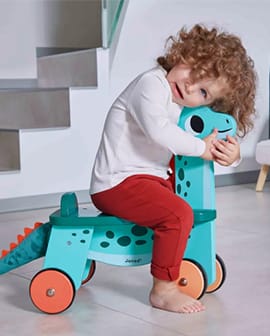

Buying a present for a child you know well can be great fun. Buying for a classmate, a friend’s child, a niece or nephew you rarely see, or a distant relative can feel rather more difficult.
The good news is that you don’t need to know their favourite character, hobby or toy to choose a thoughtful gift. Start with three things: the child’s age, anything you know about their interests and how much you would like to spend. Even if you only know one or two of these, you can quickly narrow down the choice.
When you know very little about the child, it usually helps to choose something with broad play appeal rather than guessing too specifically about their tastes. Games, puzzles and creative activities can all be useful places to start.
Start with the information you do have
You may not know what the child is currently interested in, but you probably know more than you think.
Start with their age. This gives you a sensible way to narrow down the huge number of possible gifts and helps you avoid choosing something intended for much younger or older children.
Next, think about any small clues you have picked up. Do they enjoy drawing? Are they always outdoors? Have you heard them talking about animals, vehicles, football, dinosaurs or making things? You don’t need a detailed list of hobbies. One useful clue can be enough to point you in the right direction.
Finally, set yourself a budget before you start browsing. This is particularly helpful for classmates’ birthdays or occasions where you want to give something lovely without getting carried away.
If you know some combination of the child’s age, interests and your preferred price range, the Mulberry Bush Gift Finder on our homepage can help narrow down good ideas. You can filter using the information you have, so there’s no need to know everything about the child before you start.

What if you know their age but not what they like?
If age is all you have, use it as your starting point rather than guessing a very particular interest.
Look for toys and activities that leave room for the child to make the experience their own. A puzzle gives them something to solve. A game provides an activity they can share. An art or craft set gives them something to make.
This can be a safer approach than choosing a gift based around a very specific theme when you have no idea whether the child likes it.
Age suitability still matters. Check the age guidance provided with the individual product rather than assuming all puzzles, games, or craft sets suit every child. A present that is far too simple may quickly lose its appeal, while one intended for substantially older children may be frustrating or unsuitable.
If you’re browsing Mulberry Bush, using the child’s age range as a filter is an easy first step. From there, you can concentrate on finding something that feels right for the occasion and your budget.
Is it better to ask their parent what to buy?
Sometimes, yes. A quick question can reduce uncertainty, especially if you are buying a more expensive present or suspect the child already has plenty of toys.
You don’t necessarily need to ask, “What should I buy?” A more open question can still let you enjoy choosing the gift yourself. Try asking what the child is interested in at the moment, whether they already have lots of something, or whether they enjoy a particular type of toy.
It is especially worth checking with a parent or carer if you are considering something large, something that needs a lot of space, or a gift you're unsure is suitable for that child.
For a classmate’s birthday or a smaller present, asking may feel unnecessary. In that case, stick to the information you know and choose something with fairly broad appeal.
Which gifts have broad appeal when you don't know the child well?
There isn’t one toy that every child will enjoy, but some types of presents rely less on knowing a child’s favourite theme or character.
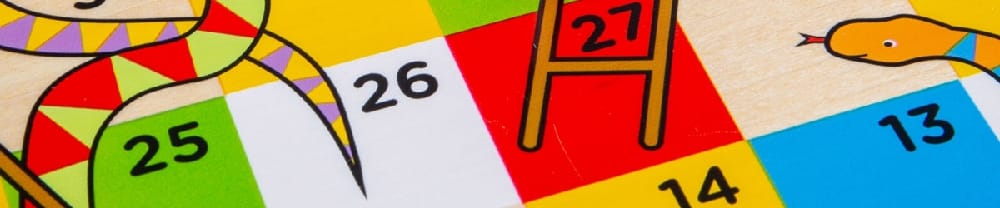
Games
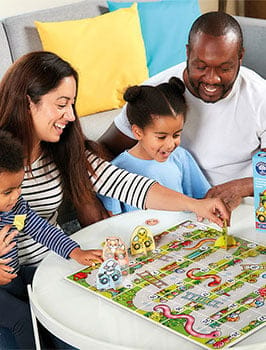
A game can be a good choice because it's also an activity. Depending on the particular game and its age suitability, children may be able to play with siblings, friends or other family members.
When choosing one, check the recommended age and consider how many players it needs. A game that works well in the child’s household is more useful than one that depends on a particular number of people being available.

Puzzles
Puzzles are another option when you know the child’s age but little about their current interests. The important thing is to choose an appropriate level rather than simply picking the picture you like best.
Check the stated age suitability and, when available, consider the puzzle's size and complexity. If you do know one of the child’s interests, you can use the theme as an additional clue rather than making it the whole basis of your choice.
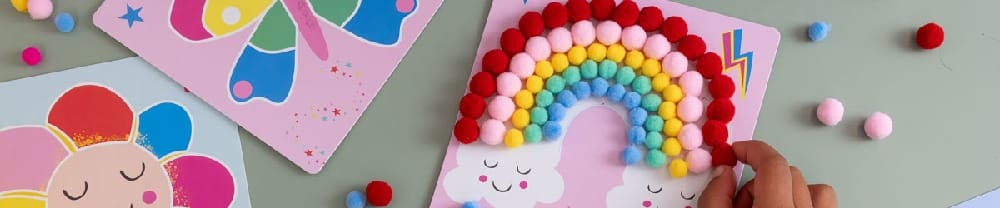
Creative activities
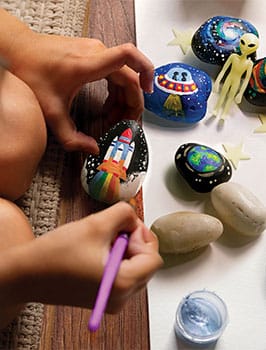
Drawing, colouring, making and other creative activities can work well when you want to give the child something to do rather than another toy to store.
Look at what the activity involves, what is included and the stated age suitability. It is also worth considering how much adult help it needs and whether the finished project takes up much space.
What should you avoid when you don't know the child well?
The less you know about the child, the more useful it is to avoid making assumptions.
A very specific character, hobby or theme can be a risky choice unless you have a reason to think the child likes it. Children’s favourites can also change, so information from a couple of years ago may not be particularly helpful now.
Size is another practical consideration. A large toy may look impressive, but not every family has the space for it. If you don’t know the home well, a smaller present can be easier to accommodate.
It is also sensible to think twice before choosing something that creates a significant ongoing commitment for the family. If a present requires additional items, lots of storage space or substantial involvement from an adult, check the product information carefully and consider asking the parent first.
Above all, don’t choose based on appearance alone. Check the product’s stated age guidance and description before deciding that it is suitable for the child you’re buying for.
What can you buy for a child who already has lots of toys?
When someone tells you that a child “has everything”, you don’t have to find a toy unlike anything they have ever seen.
Instead, think about what the present gives them to do.
A puzzle gives them a new challenge. A craft activity gives them a project. A game can create a reason to sit down and play together. These can be useful directions when you are concerned about buying another toy that is similar to something already in the toy box.
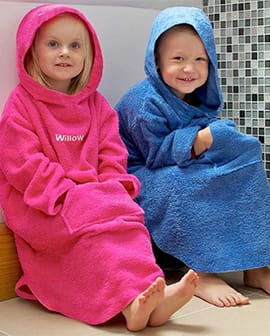
If you know the child reasonably well, a personalised gift may also be worth considering for a birthday or milestone. Mulberry Bush has a range of personalised gifts, with many items personalised in-house. Personalisation can make a present feel especially chosen for the recipient, although you'll need the correct name or other required details before ordering.
How much should you spend on a child's gift?
There is no single correct amount to spend. Your relationship with the child, the occasion and your own budget are much better guides than trying to match what somebody else might spend.
Decide on a comfortable price range first, then look for the best fit within it. This makes shopping much easier because you choose from a manageable number of options rather than browsing every possible present.
For a classmate’s party, you may be looking for a modest birthday present. For a niece, nephew or godchild, your budget might be different. Neither requires you to spend more simply because you are unsure what to buy.
A well-chosen present at a comfortable price is better than spending extra in the hope that a more expensive gift will be more suitable.
A simple way to make your final choice
If you are stuck between several presents, come back to the basics.
Ask yourself:
- Is it suitable for the child’s age?
- Does it suit something I know about them, without relying on a wild guess?
- Is it within the budget I wanted to spend?
- Is it practical for the family in terms of size and how it will be used?
- Does it give the child something enjoyable to do, make, solve or play?
You don’t need to find the mythical “perfect present”. You are simply looking for something thoughtfully chosen that suits what you know about the child.
If you have an age, an interest, a price range, or a combination of them, the Mulberry Bush Gift Finder located on our homepage is a useful place to continue. It can narrow down the choices and give you a more manageable selection to browse.
And if you're still unsure, asking a parent for one small clue is perfectly reasonable. Sometimes “she loves making things at the moment” or “he’s really enjoying games” is all you need to turn a difficult shopping decision into a much easier one.
